


Share this article
Manufacturing companies with 10–100 employees in the UK typically require 5–7 core IT support functions to operate efficiently and avoid costly downtime. These include 24/7 monitoring, cyber security protection, backup and disaster recovery, network management, user support, and production system support (e.g. ERP/MRP systems).
For most manufacturers, IT support costs range from £75 to £150 per user/month, depending on security requirements and response times. Without these systems in place, even 1 hour of downtime can cost £1,000–£10,000+ in lost production. Below is a clear framework of what should be included—and what to expect from a reliable IT provider.
What should be included:
What manufacturing businesses should expect:
Why it matters:
Production delays often start with “small IT issues” that escalate quickly.
What should be included:
Manufacturing-specific risks:
Benchmarks to include:
What should be included:
Key metrics:
Why this is critical for manufacturing:
Even a single day of downtime can halt production schedules and impact supply chains.
What should be included:
Manufacturing-specific considerations:
Performance benchmarks:
We understand legacy systems face significant challenges in ensuring their networks remain secure, especially with the increased use of personal devices by employees.
That’s why Syn-Star has created this comprehensive guide to help you keep your business secure.

What should be included:
What most MSPs don’t include (but should):
What should be included:
Optional (depending on client):
Find out more about:
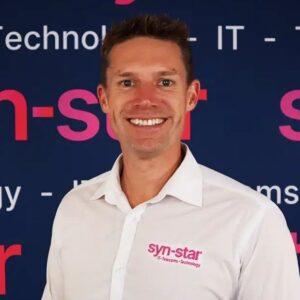
Giles Cleverley founded Syn-Star in 2002 shortly after graduating from Portsmouth university with an honours degree in Business & Economics.
His extensive knowledge and experience in IT strategy and business technology solutions. He is passionate about driving innovation and delivering tailored IT support that helps UK small and medium size businesses thrive. Under his leadership, Syn-Star continues to provide cutting-edge managed IT services designed to meet the evolving needs of modern organisations.
Learn more about IT Support








Share this article
Sign up to our newsletter